
Resources & Awarness
Helping parents and children navigate today’s world with confidence, clarity, and age-appropriate understanding.
Understanding Today’s Challenges
Children today are exposed to a wide range of information through schools, media, and online platforms. Sometimes, topics related to relationships, identity, or adult concepts — including LGBTQ themes — are introduced in ways that may not match a child’s age or emotional readiness.
Exposure to such content can create curiosity or confusion that children may not know how to process. Even well-intentioned discussions by school staff or peers can leave children with questions they are not yet prepared to understand.
Awareness is the first step in helping parents guide their children effectively. By understanding what children encounter, parents can provide age-appropriate explanations, reassurance, and support, helping children navigate information in a healthy and balanced way.

Guidance for Parents

Stay Informed
Take an active role in understanding what your child is learning and doing in school as well as what they are exposed to online.

Encourage Open Communication
Create a safe space where your child feels comfortable asking questions without fear or hesitation.

Respond Calmly
When children bring up complex topics, respond in a calm and age-appropriate way rather than reacting with concern or frustration.

Guide, Don’t Overwhelm
Provide simple explanations with examples that match your child’s level of understanding instead of giving too much information at once.

A Message for Children
It’s okay to feel curious or confused sometimes.
If you hear or learn something you don’t understand:
Ask your parents or a trusted adult
Talk about what you are thinking
Working with School
A child’s learning environment is shaped both at home and at school. Building a positive and respectful relationship with educators helps ensure that children receive guidance that supports their academic growth and overall well-being.
When parents have concerns about what their children are being exposed to, open communication with the school can help create clarity and mutual understanding.
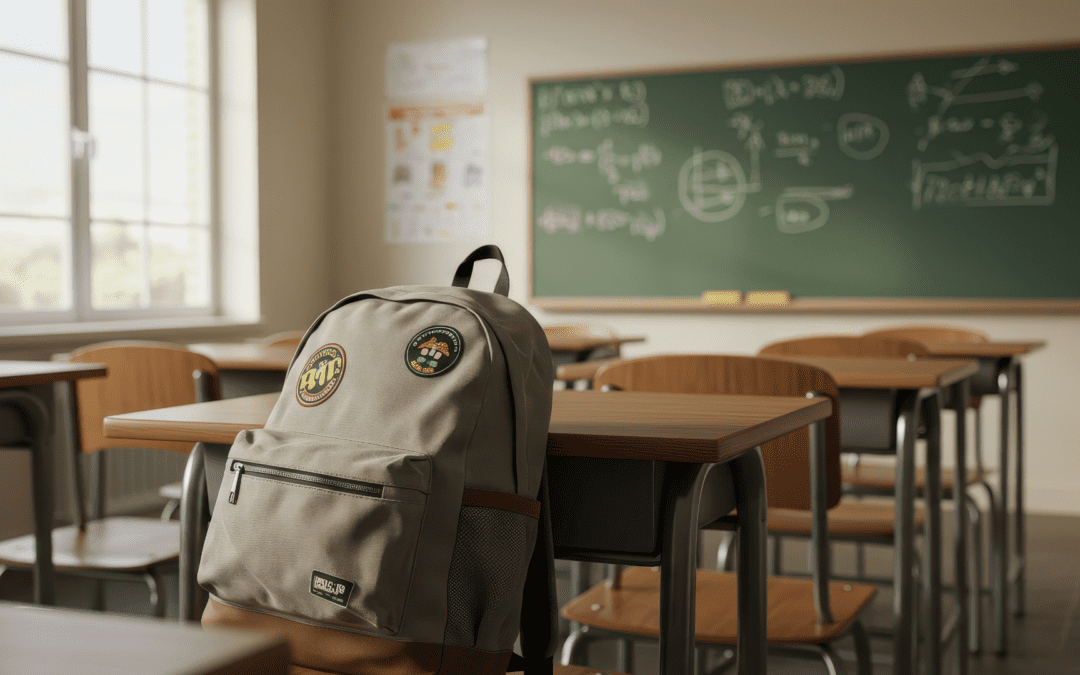
How Parents Can Engage with Schools
- Stay informed about school curriculum and activities
- Attend parent-teacher meetings regularlyAsk questions in a respectful and constructive manner
- Share your expectations regarding your child’s learning experience
- Work collaboratively to support your child’s development
Expressing Concerns Thoughtfully
If you feel that certain topics may not be appropriate for your child at their current stage, it is important to communicate your concerns calmly and respectfully.
Focus on:
- Your child’s age and readiness
- Your goals for their academic development
- Creating a supportive and balanced learning experience
Keeping the Focus on Academic Learning
Schools play an important role in shaping a child’s knowledge and skills.
Many parents value an environment where children can focus on:
- Core academic subjects
- Creative expression through arts
- Physical development through sports
- Social responsibility and teamwork
By working together, parents and schools can help create a balanced environment that supports both learning and personal growth.
Practical Tips for Everyday Parenting
1
Stay involved in your child’s daily experiences
2
Monitor online and media exposure
3
Maintain regular conversations
4
Be approachable and patient
5
Reinforce positive values at home

Learn, Share, and Grow Together
Awareness is a continuous journey. By staying informed and connected, parents and children can build stronger relationships and navigate challenges with confidence.